Following the complete collapse of peace negotiations between the United States and Iran in Pakistan, President Donald Trump has announced a decisive military escalation. Starting today, the United States will enforce a strict naval blockade on all maritime traffic entering or leaving Iranian ports via the Strait of Hormuz.
The strategic maneuver aims to completely paralyze Tehran's economy by physically preventing the export of Iranian oil to the global market, significantly escalating the ongoing geopolitical crisis.
CENTCOM to Enforce "Without Exception"
The United States Central Command (CENTCOM) confirmed that American naval forces will execute the blockade "without exception" on all vessels attempting to access or depart from Iranian ports in the Persian Gulf. However, CENTCOM clarified that U.S. forces will not interfere with the free movement of international shipping outside of these designated Iranian zones.
This military action aligns with the 2022 U.S. legal definition of a maritime blockade, which authorizes military operations to prevent vessels and aircraft—whether from enemy or neutral nations—from entering or exiting designated ports, airports, or coastal areas controlled by an enemy state.
Choking Off Iran's Oil Exports
Defense analysts state that the immediate and primary objective of this U.S. maneuver is to completely halt Iran's ability to sell its oil. By physically blocking port access, the United States intends to cut off Tehran from its major international buyers, most notably China, applying unprecedented economic pressure on the Iranian government.
- Economic Strangulation: The blockade serves as a direct embargo, physically preventing oil tankers from loading Iranian crude oil for export.
- Targeting Major Buyers: The operation explicitly blocks oil shipments to powerful economic partners like China, forcing a massive disruption in Iran's revenue streams.
- A Reflection of Frustration: According to defense and security analyst Justin Crump, this aggressive strategy will undoubtedly escalate the broader conflict. Crump noted that the immediate implementation of the blockade directly reflects President Trump's "frustration" over the failure to reach a diplomatic agreement in Islamabad.
Escalation in the Global Energy Market
This total blockade represents a historic escalation in the U.S.-Iran conflict. By cutting off one of the world's major oil producers from the global energy supply chain, the Trump administration is applying maximum pressure to force Tehran back to the negotiating table.
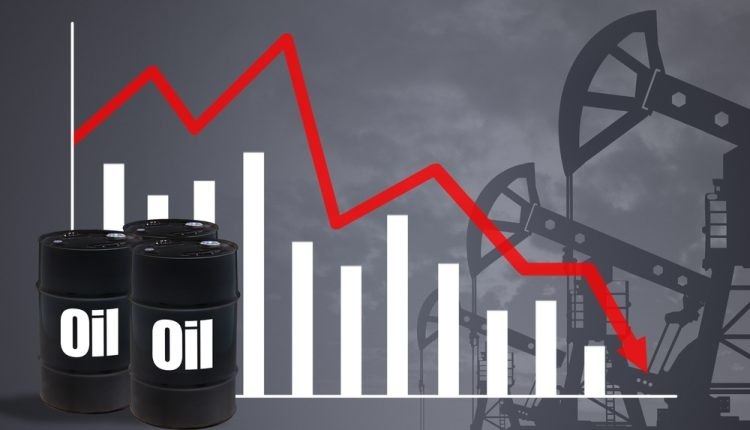
However, analysts warn that shutting down Iranian ports in the highly volatile Strait of Hormuz will send massive shockwaves through the global economy, further spiking international crude prices and drastically raising the stakes for a full-scale regional war.
Ameteyohannes Nega
Lead Viral Reporter at TrendStorm. Monitoring the pulse of the internet 24/7 to bring you the fastest breaking stories in tech, viral culture, and world news.