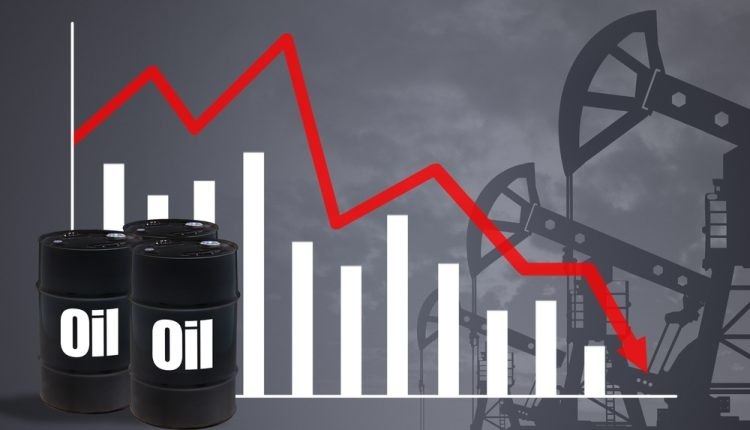
A sudden wave of relief washed over global energy markets this Friday as crude oil prices experienced a dramatic, double-digit decline. The catalyst for this sudden market shift was a major geopolitical development in the Middle East: Iran’s unexpected announcement that the highly contested Strait of Hormuz has been fully reopened to all commercial vessels for the remainder of the current ceasefire agreement.
Within minutes of the declaration, global oil benchmarks reacted, sending prices tumbling and offering a much-needed reprieve to a global economy strained by months of soaring energy costs.
The Catalyst: Opening a Vital Chokepoint
The Strait of Hormuz is one of the world's most critical maritime chokepoints for the global oil trade. Any disruption in this narrow waterway historically sends shockwaves through the market. Conversely, the guarantee of safe passage can instantly ease market anxieties.
According to the latest reports, Iran has officially guaranteed that all commercial shipping can pass safely through the Strait for the remaining days of the agreed-upon ceasefire. The market reaction was instantaneous. Traders who had priced in severe supply chain disruptions immediately began offloading their positions, leading to a massive single-day price correction.
Tracking the Extreme Price Volatility
The energy market has been on a rollercoaster over the past few months, heavily influenced by the shifting tides of the Middle Eastern conflict. To understand the magnitude of today's price drop, it is essential to look at the recent trajectory of Brent crude oil:
- Pre-War Baseline: Prices were relatively stable, hovering comfortably below $70 per barrel.
- Early March Surge: As tensions escalated, prices shattered the $100 per barrel ceiling.
- Late March Peak: The crisis saw Brent crude skyrocket to a staggering $119 per barrel.
- Friday Morning: Prior to the announcement, the market was trading at $98 per barrel.
- The Friday Plunge: Following the news, prices plummeted by 10% in a single day, dropping to below $90 per barrel.
An Uncertain Road Ahead
While the sudden drop to below $90 a barrel is welcome news for consumers and global inflation rates, market analysts and geopolitical experts remain deeply cautious.
"The current open status of the Strait of Hormuz is explicitly tied to the remaining days of the ceasefire agreement. The long-term stability of the market depends entirely on what happens when this window closes."
Because the regional dynamics in the Middle East are rapidly shifting and notoriously volatile, predicting the trajectory of oil prices for the coming weeks remains difficult. For now, the global economy can take a breath—but energy markets will be watching the horizon with bated breath, knowing that this sudden relief could be just as easily reversed.
Ameteyohannes Nega
Lead Viral Reporter at TrendStorm. Monitoring the pulse of the internet 24/7 to bring you the fastest breaking stories in tech, viral culture, and world news.


